
Robotic Radical Nephroureterectomy with Bladder Cuff Excision for Upper Tract TCC ( Ureteric and Renal Pelvis Tumour)
Overview
Upper Tract Urothelial Carcinoma (UTUC) refers to cancers that develop in the renal pelvis or ureter. The most effective and globally recommended treatment for high-grade or invasive UTUC is Radical Nephroureterectomy with Bladder Cuff Excision.
With the latest advancements in urological oncology, this entire surgery can now be performed using Robotic Technology, offering greater precision, reduced bleeding, less pain, and a faster recovery compared to traditional open or laparoscopic surgery.
Upper Tract Transitional Cell carcinoma (TCC) are Cancerous Tumours of Renal Pelvis and Ureter (Upper, Mid, Lower)
What is Robotic Radical Nephroureterectomy?
Robotic Radical Nephroureterectomy is a minimally invasive procedure where the surgeon removes:
- The affected kidney
- The entire ureter
- A small portion of the bladder cuff where the ureter enters the bladder
- Surrounding lymph nodes (if needed)
The robotic system provides 3D magnified vision, wristed instruments, and enhanced dexterity, allowing the surgeon to perform the procedure with exceptional accuracy.
Why is Bladder Cuff Excision Important?
UTUC often spreads into the area where the ureter meets the bladder.
If the bladder cuff is not removed properly, the chances of cancer recurrence increase significantly.
Robotic surgery enables complete, safe, and meticulous removal of the bladder cuff with minimal risk of tumour spillage.
When is This Surgery Recommended?
Your urologist may recommend Robotic Radical Nephroureterectomy if you have:
- High-grade Upper Tract TCC
- Invasive tumours of the renal pelvis or ureter
- Large or multifocal tumours
- Recurrent or non-responsive UTUC after endoscopic treatment
- Suspicion of muscle-invasive disease on imaging or biopsy
Benefits of Robotic Surgery
Compared to open and laparoscopic surgery, robotic nephroureterectomy offers:
1. Better Precision & Tumour Control
High-definition, magnified vision helps in precise dissection and reduces the risk of tumour spillage.
2. Minimal Blood Loss
Robotic instruments allow delicate handling of tissues.
3. Smaller Incisions & Less Pain
Results in faster recovery and minimal scarring.
4. Shorter Hospital Stay
Most patients go home within 2–3 days.
5. Early Return to Work & Routine Activities
6. Accurate Bladder Cuff Removal
This significantly lowers the risk of cancer recurrence in the bladder.
How the Procedure is Performed?
- Anaesthesia & Port Placement
The patient is given general anesthesia, and robotic ports are placed. - Kidney Dissection
The renal vessels are controlled, and the kidney is dissected carefully. - Ureter Removal
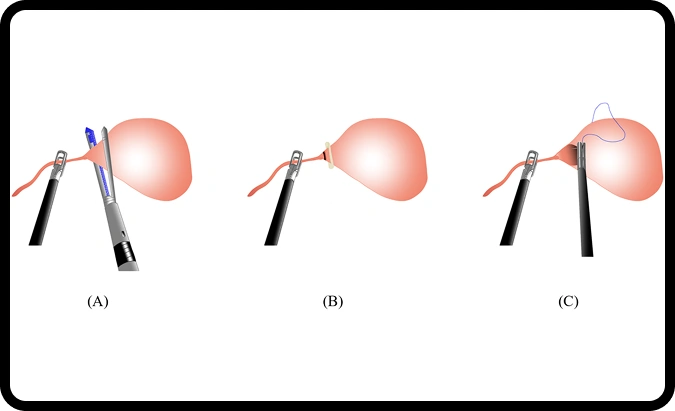
The entire ureter is freed from top to bottom. - Bladder Cuff Excision
The robotic system allows precise removal of the ureter’s insertion site into the bladder. - Lymph Node Dissection (if indicated)
Done for better staging and to improve long-term cancer outcomes. - Specimen Retrieval
The kidney, ureter, and bladder cuff are removed safely in a protective bag.
Recovery After Surgery
- Typical hospital stay: 2–3 days
- Catheter duration: 7–10 days
- Resume light activities: 1 week
- Complete recovery: 3–4 weeks
- Follow-up cystoscopy may be required to check bladder health and recurrence.
Book a Consultation
If you or a loved one needs a kidney transplant, consult Dr. Amit Goel, a trusted Urologist & Kidney Transplant Specialist, to discuss robotic or open transplant options and donor procedures.
📍 C2/902, Parsvnath Exotica, DLF Phase 5, Sector 53, Gurugram, Haryana 122003
📞 +91 84470 18167