
Staghorn kidney stones are not your regular, annoying pebble-in-the-system situation. These are the final boss of urinary stones—large, branching, and capable of quietly wrecking kidney health if ignored. They get their name from their antler-like shape, spreading through the kidney’s collecting system like roots claiming territory. Let’s break down why they form, how they show up, and what modern medicine does to shut them down—cleanly and effectively.
What Are Staghorn Kidney Stones?
Unlike smaller stones that may pass on their own, staghorn stones occupy a large part of the kidney. They are usually made of struvite, a compound linked to chronic urinary tract infections. Over time, these stones expand and harden, turning into a structural problem rather than a passing inconvenience.
The danger with kidney stones of this type is subtlety. They can grow silently for months or even years, causing progressive kidney damage before pain ever rings the alarm.
Why Do Staghorn Stones Occur?
The root cause is infection. Certain bacteria change the chemistry of urine, making it alkaline and ideal for stone formation. Recurrent UTIs, incomplete bladder emptying, long-term catheter use, and structural abnormalities of the urinary tract all increase risk.
People who delay treatment for repeated infections are especially vulnerable. Over time, mineral layers stack up, and kidney stones evolve from grains to branches. Once established, these stones don’t dissolve with hydration alone—they demand medical intervention.
Kidney Stone Symptoms You Should Never Ignore

Here’s the tricky part: kidney stone symptoms can be mild or misleading in early stages. Many patients don’t feel the classic sharp pain right away. Instead, symptoms may include dull back discomfort, recurrent fever, cloudy or foul-smelling urine, and persistent fatigue.
As the condition progresses, kidney stone symptoms become harder to ignore—blood in urine, flank pain, nausea, and recurring infections. If left untreated, kidney function can decline silently.
How Staghorn Stones Are Diagnosed
Diagnosis usually begins with imaging. CT scans are the gold standard, offering clear visuals of size and spread. Ultrasound and X-rays may also be used depending on the case. Urine tests help identify infection-causing bacteria, while blood tests assess kidney function.
Early detection is critical. When kidney stones reach staghorn size, waiting is not an option—timely planning makes the difference between recovery and long-term damage.
Kidney Stone Treatment Options Today
Modern Kidney Stone Treatment Approaches
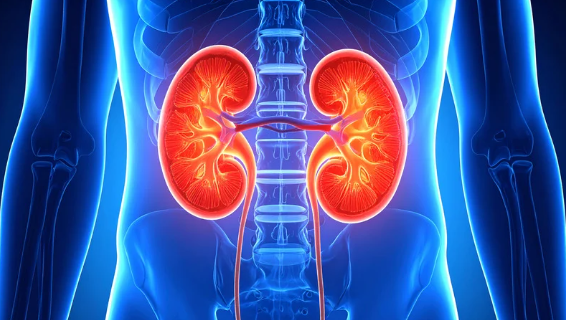
Today’s kidney stone treatment is precise, minimally invasive, and far more effective than old-school open surgeries. The most common approach for staghorn stones is Percutaneous Nephrolithotomy (PCNL). This procedure involves a small incision through which the stone is broken and removed using specialized instruments.
In some cases, staged kidney stone treatment may be required, especially if the stone is large or infection is severe. Antibiotics play a crucial role before and after surgery to prevent complications.
Laser technologies and advanced imaging have refined kidney stone treatment, reducing hospital stays and speeding recovery. Open surgery is now rare, reserved only for complex cases where other methods fail.
Recovery and Long-Term Prevention
Post-procedure care focuses on infection control and monitoring kidney health. Follow-up scans ensure complete stone removal. Ignoring residual fragments can lead to recurrence—yes, kidney stones are petty like that.
Lifestyle changes matter. Staying hydrated, managing infections promptly, and regular check-ups significantly reduce risk. Doctors may also recommend dietary adjustments based on urine analysis.
Conclusion
Staghorn kidney stones are serious, but they are no longer the medical dead-end they once were. With early identification of kidney stone symptoms and access to timely care, patients can avoid permanent kidney damage and regain full urinary function. Advances in imaging and minimally invasive procedures have transformed kidney stone treatment, making recovery faster and outcomes far more predictable. However, complex stones like staghorn calculi require expert evaluation and precise planning. Consulting a specialist with experience in managing advanced kidney stones is essential.
Dr. Amit Goel, a reputed urology specialist, offers comprehensive diagnosis and advanced kidney stone treatment tailored to the severity of the condition. From infection control to complete stone clearance and long-term prevention strategies, expert care ensures the best possible outcome. Ignoring symptoms or delaying treatment can cost kidney function—early action protects both health and peace of mind.