
Suprapubic Catheterization (SPC)
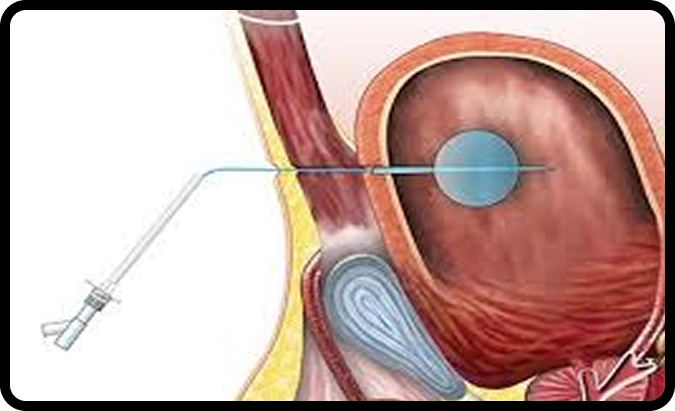
What is Suprapubic Catheterization (SPC)?
Suprapubic Catheterization (SPC) is a medical procedure in which a urinary catheter is inserted directly into the bladder through a small opening in the lower abdomen, just above the pubic bone.
It is used to drain urine when normal urination through the urethra is not possible or not advisable.
SPC is often preferred for long-term bladder drainage as it is more comfortable and reduces complications associated with urethral catheters.
When is Suprapubic Catheterization Required?
SPC is recommended when passing urine through the urethra is difficult, painful, or unsafe.
Common Indications:
- Acute or chronic urinary retention
- Urethral stricture disease
- Prostate enlargement (BPH)
- Prostate cancer
- Neurogenic bladder (spinal cord injury, stroke, multiple sclerosis)
- Pelvic or urethral trauma
- After certain urological surgeries
- Long-term catheterization requirement
- Severe urethral pain or infection
Benefits of Suprapubic Catheterization
- More comfortable than urethral catheter
- Reduced risk of urethral injury and strictures
- Easier hygiene and catheter care
- Lower risk of sexual dysfunction
- Suitable for long-term use
- Allows normal sexual activity in men
- Better quality of life for patients requiring prolonged catheterization
Types of Suprapubic Catheterization
1. Temporary SPC
Used for short-term urinary drainage until the underlying condition is treated.
2. Long-Term SPC
Used in patients with chronic bladder emptying problems requiring prolonged catheter use.
Pre-Procedure Evaluation
Before performing SPC, the urologist will:
- Take detailed medical history
- Perform physical examination
- Conduct ultrasound of bladder
- Check urine tests
- Assess bleeding risk
- Ensure bladder is adequately filled
Suprapubic Catheterization Procedure – Step-by-Step
Step 1: Anesthesia
- Local anesthesia is commonly used
- Mild sedation may be given if required
Step 2: Bladder Localization
- The bladder is identified by palpation or ultrasound guidance
- The lower abdomen is cleaned and sterilized
Step 3: Small Incision
- A small incision is made just above the pubic bone
Step 4: Catheter Insertion
- A special trocar or guide is used to insert the catheter directly into the bladder
- Urine flow confirms correct placement
Step 5: Catheter Fixation
- The catheter balloon is inflated inside the bladder
- The catheter is secured and connected to a urine drainage bag
Step 6: Dressing
- Sterile dressing is applied at the insertion site
⏱️ Procedure Time: 10–20 minutes
After the Procedure
- Immediate urine drainage is observed
- Mild discomfort for 1–2 days
- Antibiotics and pain relief may be prescribed
- Patients can usually go home the same day
Care of Suprapubic Catheter
Proper care is essential to avoid infection and blockage.
SPC Care Instructions:
- Keep the area clean and dry
- Clean the insertion site daily
- Empty urine bag regularly
- Drink adequate fluids
- Avoid pulling or twisting the catheter
- Catheter change usually every 4–6 weeks
Book a Consultation
If you or a loved one needs a kidney transplant, consult Dr. Amit Goel, a trusted Urologist & Kidney Transplant Specialist, to discuss robotic or open transplant options and donor procedures.
📍 C2/902, Parsvnath Exotica, DLF Phase 5, Sector 53, Gurugram, Haryana 122003
📞 +91 84470 18167